

Keywords to LLM Search Intelligence: How to Ensure AI Search Engines Recommend Your Business
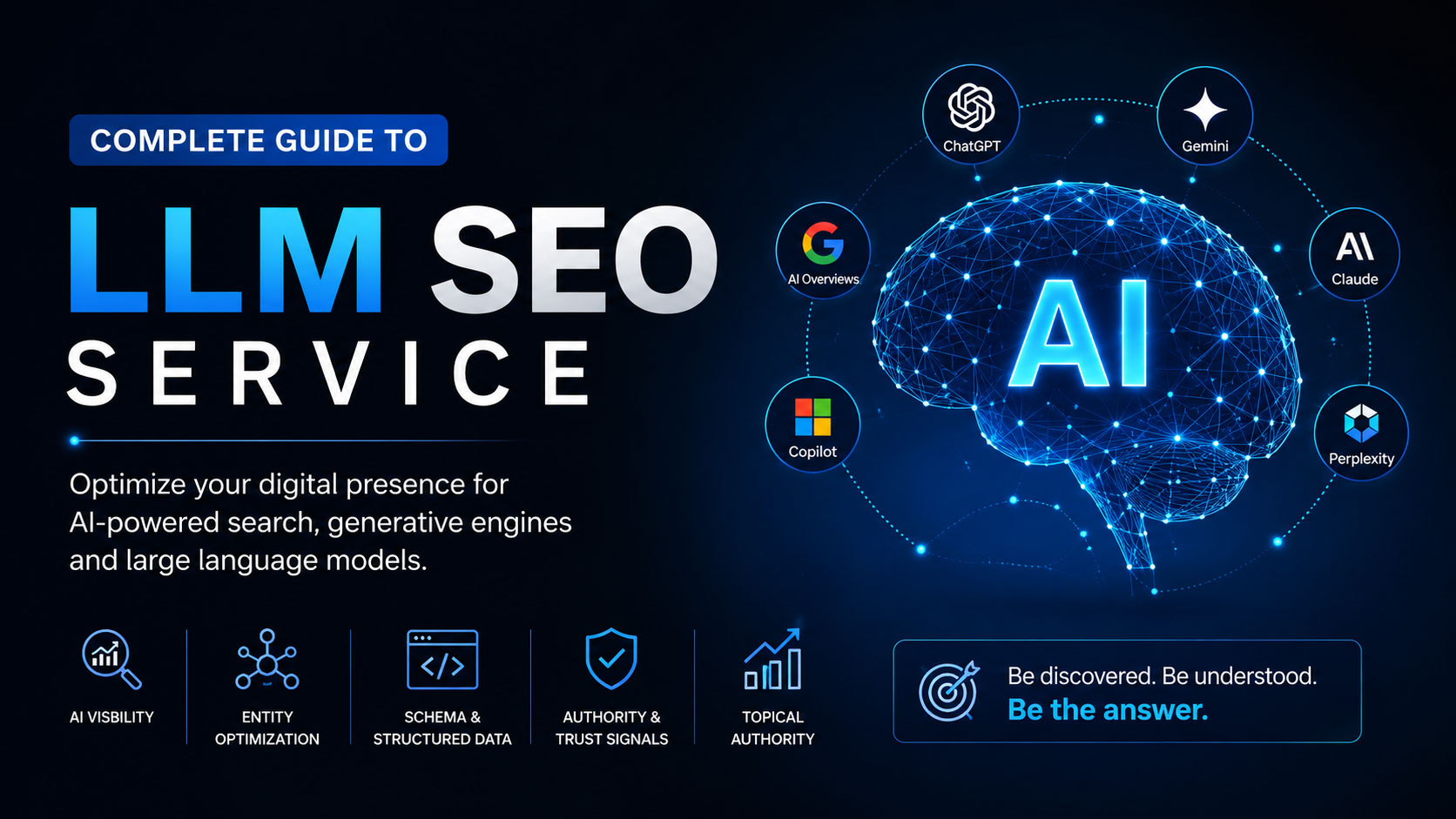
How can your enterprise stay ahead when B2B buyers stop typing fragmented phrases into standard search bars and begin engaging with hyper-intelligent systems that generate absolute answers? Transitioning from classic keywords to LLM search intelligence represents the essential upgrade your digital presence needs, transforming your website from a collection of isolated terms into an authoritative data hub that systems like ChatGPT, Perplexity, and Google AI Overviews confidently trust and source. Instead of chasing fleeting clicks across an outdated landscape of ten blue browser links, this structural optimization designs your online footprint to directly mirror the deep intent processing frameworks of modern neural networks. By shifting focus toward building clear, verifiable context, your organization becomes the definitive recommendation at the precise moment a high-value buyer requests a premium market solution.
Key Takeaways for Enterprise Executives
- Keywords Are Giving Way to Context: Elite decision-makers are bypassing traditional search layouts, relying instead on conversational models to instantly synthesize, evaluate, and rank B2B vendors.
- LLMs Require Direct Integrity: Modern neural systems select corporate recommendations based on absolute information consensus, fast site performance, and validated backend connection paths.
- Future-Proof Your Acquisition Model: Aligning your public infrastructure with advanced retrieval models today builds a powerful barrier around your organic lead pipeline, insulating your market share from upcoming algorithmic changes.
The Paradigm Shift: Moving Beyond Legacy Keywords to LLM Intelligence
For more than two decades, the blueprint for corporate online visibility remained predictable: draft standard blog content, insert high-volume keyword phrases, and purchase manual link packages to push pages higher on a desktop screen. While this workflow built substantial traffic over the years, it rests on the old assumption that buyers are willing to spend valuable hours exploring separate website tabs to piece together an answer themselves. Today, this process is being deeply disrupted. Enterprise executives, busy procurement heads, and tech-savvy clients are trading classic keyword queries for intelligent LLM conversational prompts that deliver a single, comprehensive recommendation immediately.
This deep change in behavioral tracking has given rise to LLM Search Intelligence. While traditional SEO optimizes for individual text string matching, LLM search optimization builds deep contextual authority that automated systems can effortlessly parse, process, and credit. It is a comprehensive corporate strategy centered on ensuring that when an advanced language engine analyzes the web for an industry answer, your case records, product categories, and technical proof form the direct baseline of that generated result.
To analyze this evolution through a commercial lens, think of modern generative engines as digital advisory boards. They do not rank websites based on shallow vanity numbers or repeated phrases. Instead, they scan the internet to find a reliable consensus, verified expert claims, and clear, structured formats that can be easily repackaged for an end user. If your website speaks exclusively in broad marketing statements or contains unorganized text, an AI compiler will find your platform too messy or confusing to risk using as an official source. Transitioning to LLM search intelligence eliminates this problem by providing undeniable proof of your real-world capabilities in a format machines love to parse.
Strategic Distinctions: Legacy SEO vs. GEO vs. AEO
Maintaining a stable lead generation engine requires an exact understanding of how different search frameworks operate. While these methodologies share the common objective of expanding your digital footprint, they use distinct data paths to target unique retrieval systems:
| Strategic Parameter | Traditional SEO | Generative Engine Optimization (GEO) | Answer Engine Optimization (AEO) |
|---|---|---|---|
| Primary Infrastructure Target | Legacy keyword databases and standard text-crawling indexing bots. | Large Language Models, deep neural layers, and text synthesis engines. | Direct voice assistants, prompt interfaces, and inline Q&A boxes. |
| Core Corporate Objective | Drive raw keyword user traffic to traditional visual landing pages. | Maximize brand authority and citation chip references inside AI overviews. | Secure the single, definitive response answer for natural conversational prompts. |
| Content Optimization Style | Keyword placement density, heading rules, and domain link volumes. | Topic completeness, unique statistics, and multi-web quote verification. | Structuring clear, bite-sized answers to the exact questions your real buyers ask daily. |
| User Conversion Pathway | The consumer manually scrolls through multiple pages to check vendor fit. | The consumer trusts the integrated summary and clicks the verified source link. | The consumer receives an immediate single choice and starts a direct inquiry. |
Why Authoritative LLM Citations Capture Premium B2B Buyers
The swift introduction of automated summaries across global search frameworks has established a "zero-click" reality. When a premium enterprise buyer asks an AI engine for a breakdown of the top custom software hubs or scalable enterprise solutions, the platform builds that summary directly inside the chat interface. The prospect receives a filtered recommendation without needing to click on long lists of individual websites. For brands relying entirely on legacy search traffic patterns, this change can create a noticeable drop in traditional lead generation pipelines.
However, this shift also uncovers an incredibly powerful business opportunity. When an AI overview creates its summary text, it includes clickable citation chips right alongside your company's name. Prospects who click these specialized reference links are not casual browsers merely looking around; they are highly qualified decision-makers who have already seen your business vetted and verified by an AI assistant. By preparing your entire platform for these advanced retrieval methods, you protect your bottom line and capture highly motivated buyers while your competitors remain hidden behind outdated search strategies.
What Elements Define the True Cost of an LLM Search Intelligence Upgrade?
Transitioning your platform into a highly trusted data node that conversational models confidently choose is an advanced engineering process rather than a basic software package. The implementation cost is driven primarily by two foundational pillars:
1. Restructuring Existing Content into Deep, High-Context Knowledge Centers
AI search models cannot glean actionable meaning from vague corporate platitudes or shallow promotional blurbs. A large portion of a successful GEO implementation involves taking your existing library of case studies, service documentation, and thought leadership and rewriting them into deep, highly informative knowledge bases. This means structuring clear, bite-sized answers to the exact questions your real buyers ask daily, showing unique statistical proof, and documenting verified case histories that AI crawlers can effortlessly parse and summarize.
2. Engineering Deep Architectural Integrity and Entity Maps
To safely include your business within global answers, AI platforms look for hidden data structures within your source code, commonly known as schema graphs. Creating an unmistakable digital identity card for your brand so AI engines never confuse you with a competitor requires deep technical expertise. This architectural process connects your executive leadership team, actual office locations, specific service categories, and verified client testimonials into a clean data map that software crawlers can instantly verify.
Expert Strategy Insights: Future-Proofing Corporate Knowledge Layers
From an enterprise strategy viewpoint, optimizing for generative engines is all about removing friction. When an AI tool searches the web to answer a user's prompt, it has a fraction of a second to select its sources. If your website takes too long to load, uses over-complicated layouts, or hides its answers inside long, winding paragraphs, the AI will instantly look elsewhere. It will choose a competitor whose platform is clean, direct, and structurally organized.
The most effective step an enterprise can take today is to adopt an educational, problem-solving content layout. Look at the exact questions your sales team answers every day and address them clearly on your service pages. Use prominent subheadings, follow them with direct answers under 60 words, and back up your claims with verifiable company data. Treating your website as an accessible, highly structured knowledge center ensures your business remains highly visible as conversational search becomes the new standard.
Why Partner with RiAcube Software Hub for Your Intelligent Search Move
At RiAcube Software Hub, we function at the exact intersection of premium technical execution and high-performance business strategy. We are a specialized team of Developers, Troubleshooters, Logical thinkers, Designers, and Internet Marketers working to provide High Performance Online Enterprise Solutions, Custom Softwares, Exquisite Websites, and Scalable Internet Applications. We do not approach search marketing as a simple exercise in writing basic blog posts; we thoroughly engineer your entire web application from the foundational code layers up.
Our engineers resolve deep back-end code blocks, optimize complex database calls for maximum speed, and build deeply connected entity maps that provide generative engines with an undeniable blueprint of your firm's authority. Because our multidisciplinary team completely master both human user conversion patterns and the back-end mechanical requirements of AI indexing models, we build stunning web platforms that humans love to explore and generative engines confidently reference across the digital landscape.
Frequently Asked Questions About LLM Search Intelligence
Will adopting an LLM-focused strategy hurt our existing Google ranking scores?
No, a precise LLM optimization framework naturally strengthens your legacy organic keyword performance. Upgrading your platform to feature exceptional page speeds, clear layout hierarchies, absolute content accuracy, and deep technical data maps completely matches the modern core quality standards enforced by legacy search engine crawlers and advanced LLMs alike.
How quickly do conversational engines pick up platform architecture changes?
Because conversational platforms regularly update their real-time databases to serve their users the most accurate data, technical adjustments and copy updates can be identified within days of a fresh system crawl. This specialized process typically delivers visible citation inclusions far faster than old-school marketing approaches that depend on months of manual link-building.
Is backend data mapping required, or can we just adjust our surface text?
While generative engines can read unstructured text, implementing explicit backend entity maps completely eliminates any risk of automated hallucination. Providing pre-classified, machine-readable data structures drastically lowers the processing power required for an AI model to evaluate your content, positioning your brand as a highly trusted source.
Which business fields secure the highest conversion returns from this service?
Industries driven by high-value investments, detailed buyer evaluations, or multi-tiered corporate procurement cycles see the fastest returns. This includes B2B custom enterprise software developers, medical facilities, specialized commercial financial firms, and boutique corporate advisory consultancies whose ideal clients use AI tools to thoroughly research vendors before reaching out.
Verified Data Frameworks & Global Standards
- Google Search Central: Advanced Architecture Protocols and Core Systems Integration Guides
- Schema.org Consortium: Structured Vocabulary Specifications for Enterprise Knowledge Graphs
- World Wide Web Consortium (W3C): Semantic Web Integration and Universal Machine-Readability Rules
Explore More AI Search Optimization Strategies
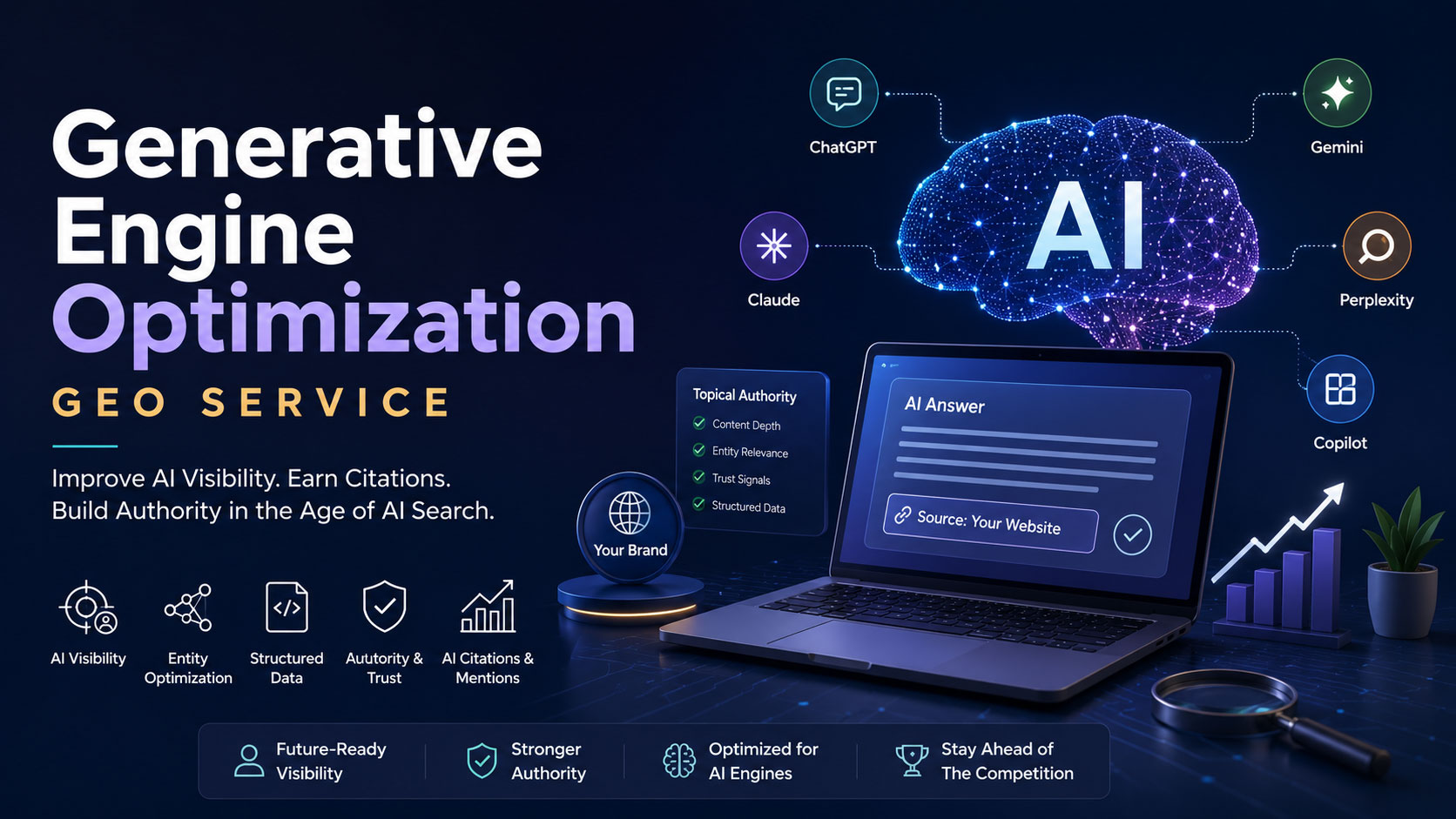
Generative Engine Optimization – GEO
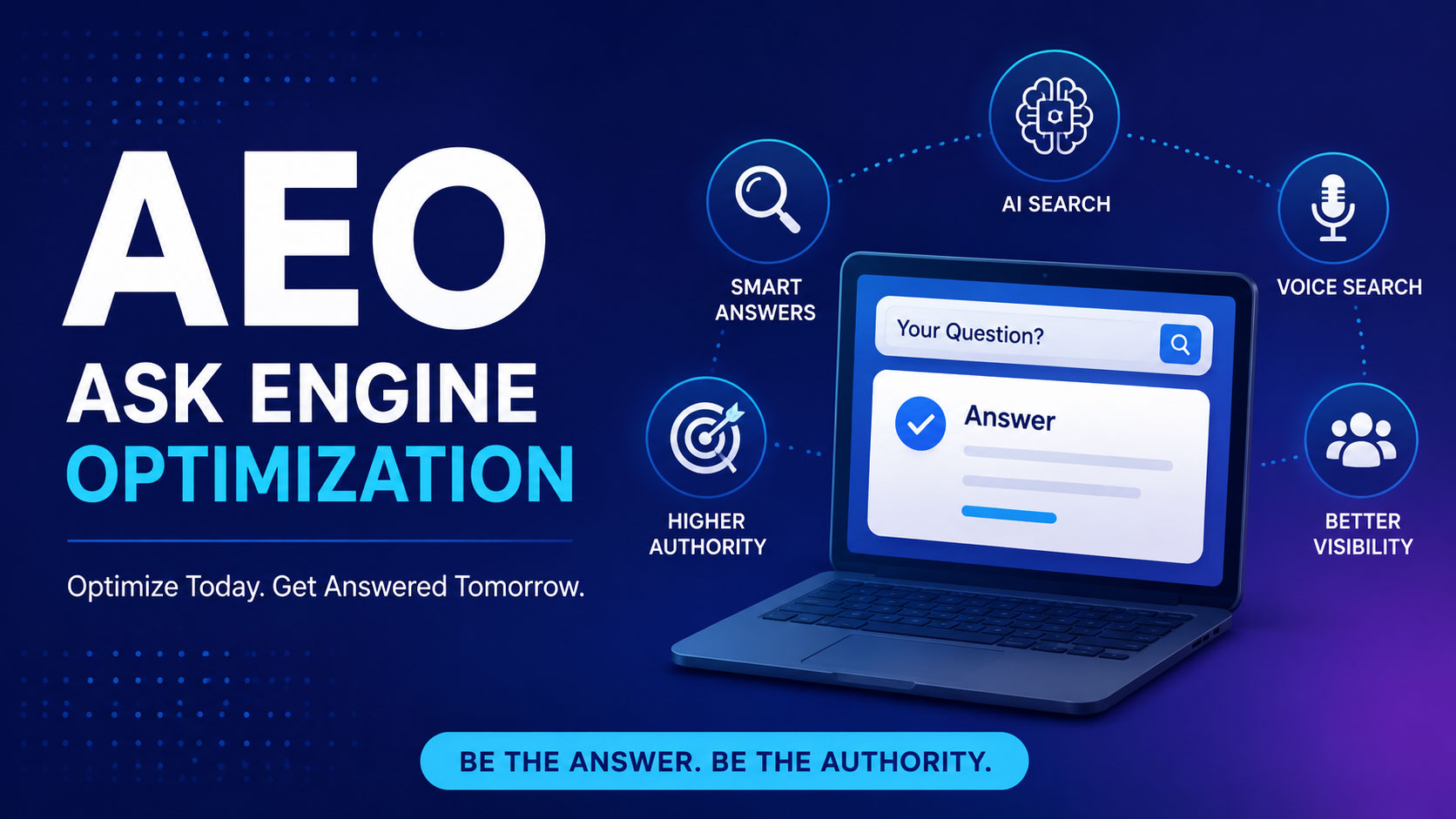
Ask Engine Optimization – AEO Services

“Focus on your Core Business & Leave the Technology on us”
Contact
- (+91) 980 3069 555
- (+91) 931 7729 555
- [email protected]
- SCO-282, GF, Sector-35D, Chandigarh (IN)
Copyright © 2006-2026 – Rich Internet Application