

The Complete Guide to Ask Engine Optimization (AEO): Transforming Web Infrastructure for AI Retrieval
How do you ensure your business is recommended when a customer asks ChatGPT, Perplexity, or Google AI Overviews for the best solution in your industry? Ask Engine Optimization (AEO) is the strategic business framework that formats, organizes, and positions your website's knowledge base so conversational AI models can easily find, trust, and quote your brand as their primary recommendation. Instead of simply trying to rank in a traditional list of blue links, an expert AEO service modifies your digital presence to win the definitive "answer slot" in conversational search tools. By structuring your real-world business expertise into clear, machine-readable formats, you secure direct visibility at the exact moment a high-intent buyer asks an AI for a professional referral.
Key Takeaways for Business Leaders
- Search Habits Have Flipped: Millions of buyers are skipping standard search engines entirely, choosing instead to ask conversational AI platforms for immediate, single-answer business recommendations.
- AI Feeds on Absolute Clarity: Modern AI search tools do not guess; they pull their live recommendations from websites that provide clear, bite-sized answers to exact customer pain points.
- Protect Your Brand's Digital Footprint: Implementing an AEO strategy establishes an unmistakable digital identity card for your company, preventing AI systems from hallucinating or confusing your offerings with a competitor.
The New Reality of Digital Discovery: What is AEO?
For the past two decades, digital marketing followed a predictable playbook: write content, build backlinks, and hope Google places your link on the first page. Today, that playbook is evolving. When a decision-maker types a complex question into an AI assistant, they aren’t looking for a list of ten websites to click through. They want an instant, highly accurate answer. If your business isn't named within that answer, you are effectively invisible to a rapidly growing segment of your market.
This is where Ask Engine Optimization (AEO) comes in. AEO is the practice of optimizing your brand’s information so that conversational platforms can flawlessly process and display it. While legacy SEO focuses on keywords and matching phrases for traditional website indexers, AEO focuses on providing highly structured, authoritative answers that conversational tools can confidently repeat to their users.
To understand the business value, think of AI engines as digital researchers. They scour the web looking for factual consensus, high credibility, and easy-to-digest layouts. If your website presents your services using vague marketing fluff, the AI will skip over it. But if your site provides clear answers backed by clear behind-the-scenes data maps, the AI views your brand as an authoritative, low-risk recommendation.
The Digital Evolution: Comparing SEO, GEO, and AEO
To stay ahead of market shifts, executive teams must understand how different digital optimization strategies serve distinct business goals. The table below outlines how traditional frameworks compare to modern, AI-focused approaches:
| Strategic Attribute | Traditional SEO | Generative Engine Optimization (GEO) | Ask Engine Optimization (AEO) |
|---|---|---|---|
| Primary Audience | Legacy text indexes and standard keyword-matching engines. | Large, multi-source generative platforms and overview summaries. | Conversational prompt assistants, voice tools, and direct Q&A systems. |
| Core Business Objective | Drive high-volume click-through traffic via top page visibility. | Maximize brand share-of-voice within broad AI summary overviews. | Secure absolute brand citations and direct referral answers. |
| Optimization Strategy | Keyword densities, general backlink numbers, and standard meta tags. | Deep topical density, cross-web quotes, and industry credentials. | Clear Q&A text formatting, direct problem-solving, and nested data graphs. |
| User Experience Focus | Browsing multiple pages to gather independent answers. | Reading synthesized overviews pulling from multiple websites. | Receiving a single, direct answer that solves a specific query immediately. |
Why Winning AI Recommendations Protects Your Bottom Line
The rise of conversational search has introduced a major business challenge: the "zero-click" reality. When a user asks an AI assistant for a solution, the tool answers them inline. The user gets exactly what they need without ever clicking a link or visiting a traditional search results page. For businesses that rely solely on old-school search traffic, this shift represents a serious threat to lead generation pipelines.
However, this challenge also presents a massive competitive advantage. When an AI overview recommends a business, it adds a tiny, high-value citation link directly next to your brand name. Buyers who click these citation links are not casual browsers; they are highly qualified decision-makers looking to purchase or hire immediately. By optimizing your platform for these retrieval systems, you ensure your business remains the preferred option while your competitors disappear from the digital conversation.
What Factors Determine the Investment in an AEO Service?
Transitioning a website into an AI-ready authority hub is a highly customized business upgrade rather than a basic software package. The investment required is typically determined by two main operational areas:
1. Transforming Core Brand Messaging into Clear Q&A Formats
AI search engines do not respond well to dense paragraphs or vague marketing taglines. A key part of an AEO service involves taking your existing service descriptions, case studies, and corporate brochures and restructuring them into crisp, direct questions and answers. This makes your expertise immediately scannable for both human executives and automated scrapers, which scales in cost based on the total size of your website's content library.
2. Embedding Invisible Behind-the-Scenes Data Maps
To fully trust a business, AI platforms read hidden data structures embedded within your website's source code, known as schema graphs. Creating a deeply connected, nested data map that securely links your leadership, physical locations, specific service categories, and real client reviews requires experienced technical development. The more complex your business model and service offerings, the more detailed this architectural code layer needs to be.
Expert Strategy Insights: Preparing Your Content for the AI Era
From an enterprise strategy standpoint, optimizing for AI engines is all about removing friction. When an AI tool searches the web to answer a user's prompt, it has a fraction of a second to select its sources. If your website takes too long to load, uses over-complicated layouts, or hides its answers inside long, winding paragraphs, the AI will instantly look elsewhere. It will choose a competitor whose platform is clean, direct, and structurally organized.
The most effective step an enterprise can take today is to adopt an educational, problem-solving content layout. Look at the exact questions your sales team answers every day and address them clearly on your service pages. Use prominent subheadings, follow them with direct answers under 60 words, and back up your claims with verifiable company data. Treating your website as an accessible, highly structured knowledge center ensures your business remains highly visible as conversational search becomes the new standard.
Why Partner with RiAcube Software Hub for Your AEO Transition
At RiAcube Software Hub, we work at the exact intersection of advanced digital marketing and high-performance software development. We are a specialized team of Developers, Troubleshooters, Logical thinkers, Designers, and Internet Marketers working to provide High Performance Online Enterprise Solutions, Custom Softwares, Exquisite Websites, and Scalable Internet Applications. We don't just write surface-level marketing copy; we thoroughly rebuild your digital platform from the source code up.
We fix slow back-end code blocks, optimize database structures, and engineer perfectly nested entity schema maps that give AI platforms an undeniable blueprint of your company’s authority. Because our team understands both front-end human buyer psychology and back-end machine crawl requirements, we deliver an elegant website experience that humans love to read and AI platforms confidently recommend to the market.
Frequently Asked Questions About AEO Services
Will implementing an AEO strategy hurt my website's current Google rankings?
No, a professional AEO strategy naturally elevates your traditional SEO rankings. Formatting your pages into clean sections, improving server speeds, and building accurate data maps matches the exact usability and quality standards valued by both legacy search engine spiders and modern conversational models.
How fast can a business expect to see results from an AEO service?
Because conversational engines prioritize fresh, highly accurate information, structural updates and clear text modifications can be picked up quickly once your platform is crawled. This technical approach often yields visible brand citations much faster than old-school marketing campaigns that rely on months of slow link-building.
Are behind-the-scenes data maps absolutely mandatory for AI visibility?
While an AI assistant can eventually read unformatted text, using structured data maps removes all room for error. Providing pre-labeled, organized data structures significantly lowers the processing power required for an AI to analyze your platform, making your business a much safer, highly attractive source for direct citations.
What types of industries benefit most from investing in AEO?
Industries with high-value transactions or multi-step buying cycles see the highest return—such as B2B custom software providers, specialized healthcare facilities, commercial financial firms, and corporate consultancies. Buyers in these spaces frequently use AI tools to research and narrow down their service options before ever contacting a sales representative.
Verified Industry Frameworks & Standards
- Google Search Central: Optimizing Modern Site Architecture and Structured Data Foundations
- Schema.org: Standardized Vocabulary Formats for Entity Verification and Knowledge Graph Mapping
- W3C Semantic Web Standards: Protocols for Building Machine-Readable Enterprise Web Platforms
Explore More AI Search Optimization Strategies
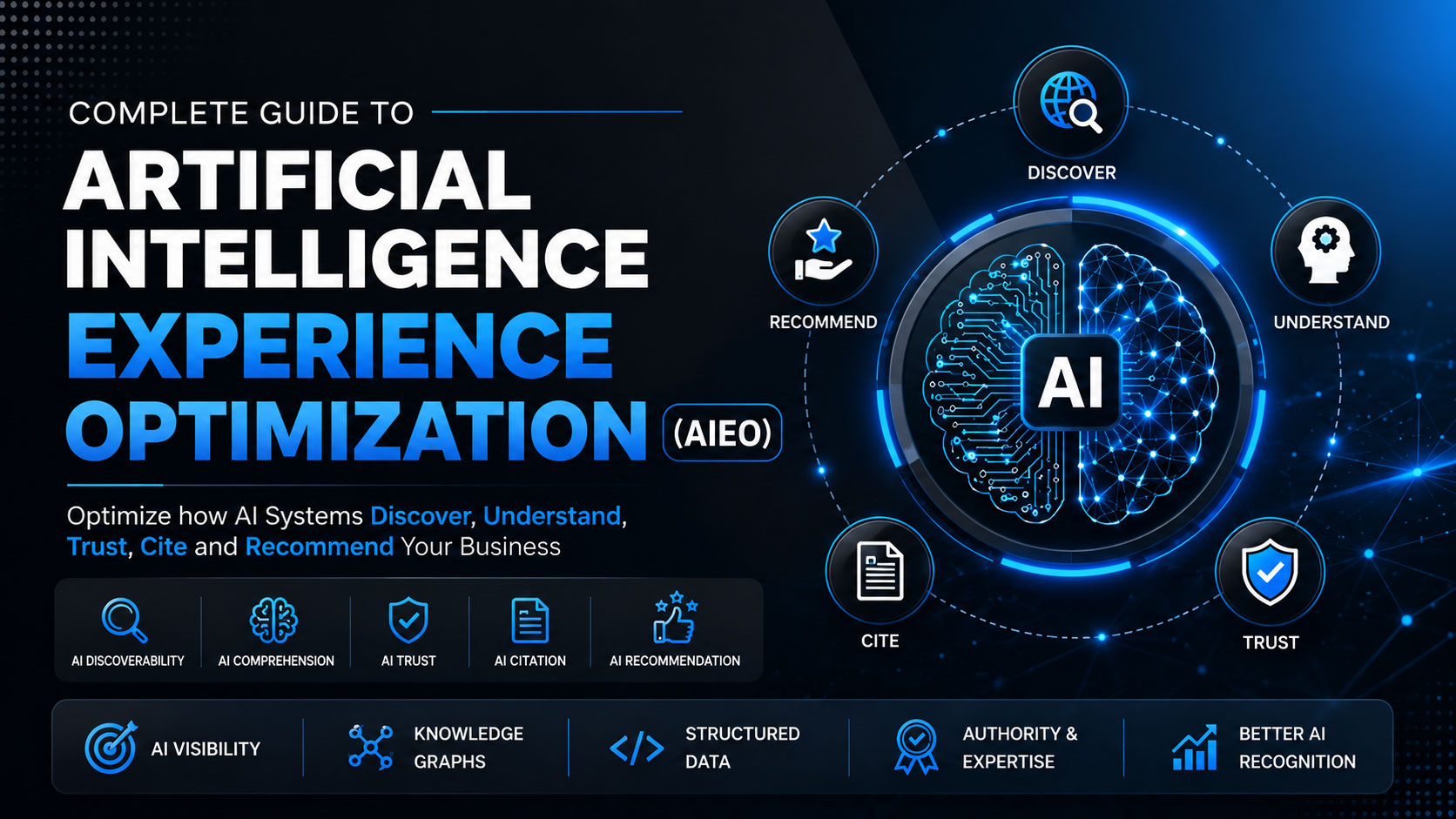
Artificial Intelligence (AI) Experience Optimization
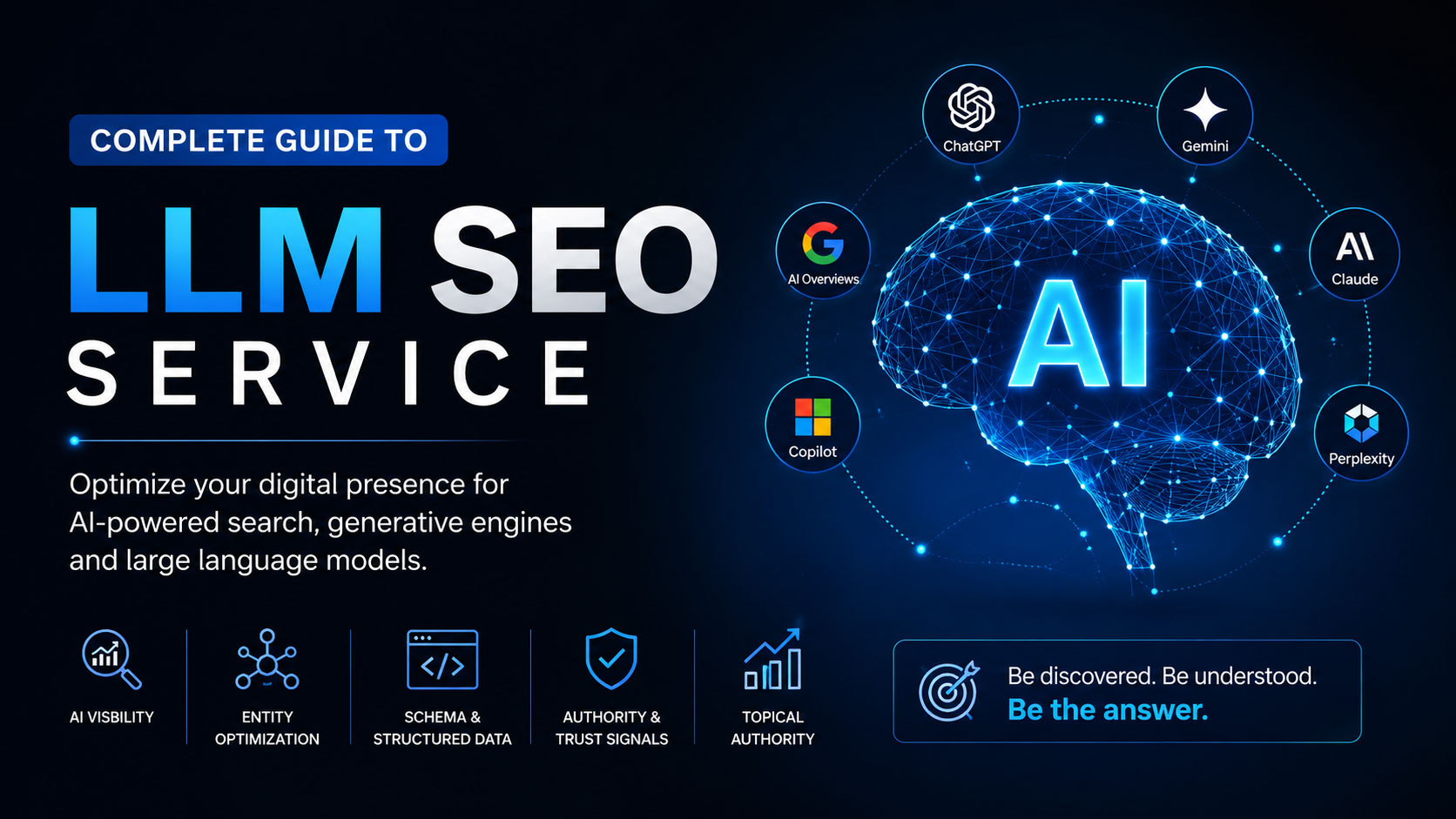
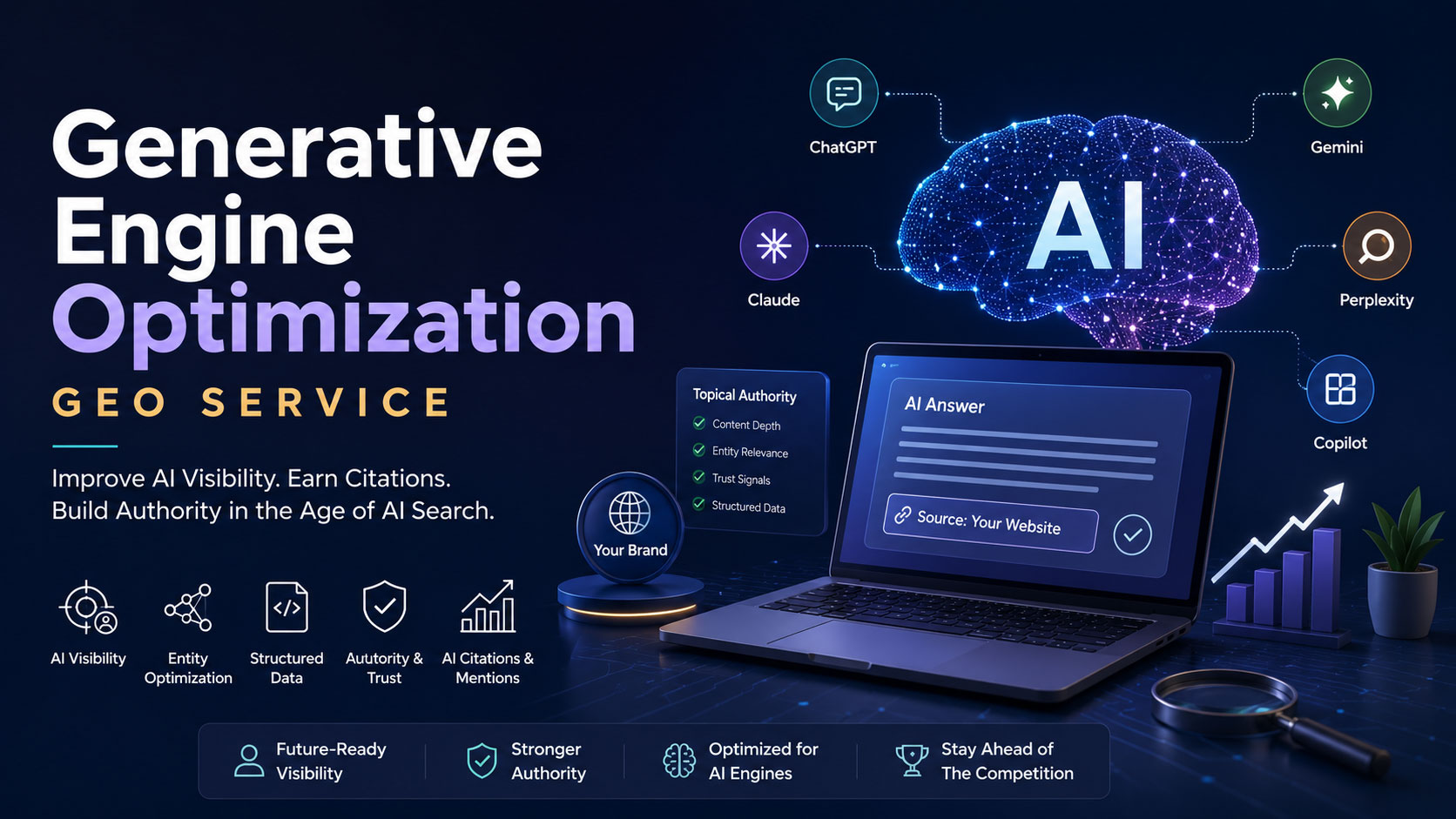
Generative Engine Optimization – GEO

“Focus on your Core Business & Leave the Technology on us”
Contact
- (+91) 980 3069 555
- (+91) 931 7729 555
- [email protected]
- SCO-282, GF, Sector-35D, Chandigarh (IN)
Copyright © 2006-2026 – Rich Internet Application