

How can your enterprise maintain its market share when modern consumers shift away from traditional keyword queries and start relying on immediate, AI-synthesized solutions? Artificial Intelligence Experience Optimization represents the necessary evolution of corporate search strategy, aligning your web architecture and intellectual properties with the explicit retrieval mechanics used by systems like ChatGPT, Perplexity, and Google AI Overviews. Instead of chasing fluctuating rankings within a classic index of ten blue browser links, this proactive method re-engineers your platform to serve as a premium source for advanced neural summaries. By converting your operational expertise into exceptionally clear, highly accessible data structures, your brand becomes the top choice at the exact moment a high-intent buyer asks an AI engine for a market referral.
Key Takeaways for Forward-Thinking Enterprises
- The End of the Casual Browse: High-value B2B decision-makers are trading manual browser research for direct conversational interfaces that instantly filter and recommend enterprise partners.
- Contextual Cleanliness Wins the Lead: Artificial intelligence platforms favor organizations that deliver clear, bite-sized answers to the exact questions real buyers ask daily over legacy keyword repetition.
- Protecting Your Revenue Pipeline: Deploying an active AI-ready infrastructure prevents your brand from being completely excluded from automated syntheses, securing your commercial market share.
The Evolution of Modern Visibility: What is AI Experience Optimization?
For decades, enterprise business growth followed a predictable digital playbook: author general marketing copy, weave in a baseline density of transactional keyword strings, and acquire backlinks to push your page higher on a user's screen. While this cycle successfully generated traffic for years, it hinges on the outdated assumption that modern buyers are willing to spend their limited hours opening separate tabs to piece together split details manually. Today, that layout is facing rapid obsolescence. Corporate leaders, purchasing directors, and tech-savvy shoppers are turning heavily to conversational models that instantly gather, verify, and output precise corporate details into a unified response.
This deep shift in customer acquisition pipelines makes AI Experience Optimization essential for businesses looking to protect their digital inbound leads. While traditional search models measure success by matching simple character text strings, AI experience management looks at how reliably an engine can parse, interpret, and present your business solutions. It is an end-to-end framework built to ensure your platform's operational case studies, service specifications, and verified customer results are treated as foundational training data and active real-time reference chips by conversational engines.
To view this change through a practical business lens, consider how language systems pick their sources. They act as automated corporate researchers, scanning the entire internet to look for absolute factual alignment, verified market trust, and clean formatting that can be displayed immediately without errors. If your website relies on outdated marketing fluff, confusing copy paths, or slow infrastructure, a modern crawler will skip over your pages to avoid serving unverified details to its users. Upgrading to an AI-aligned search strategy removes this friction, turning your platform into a highly accessible knowledge hub that software systems confidently prioritize.
Structural Distinctions: SEO vs. GEO vs. AI Experience Optimization
Navigating this new era of digital strategy requires a clear understanding of how different search frameworks operate. While these individual methodologies share a common goal of maximizing your online visibility, they target entirely unique delivery models and system architectures:
| Strategic Parameter | Traditional SEO | Generative Engine Optimization (GEO) | AI Experience Optimization |
|---|---|---|---|
| Primary Systems Target | Legacy keyword indexes and classic linear web scrapers. | Large Language Models, content synthesis pipelines, and AI summaries. | Multi-model conversational layers, neural answer graphs, and vector databases. |
| Core Strategic Target | Drive massive referral click volumes to targeted browser landing pages. | Maximize the frequency of brand citations inside detailed AI overviews. | Secure undisputed brand recommendations and absolute contextual authority. |
| Execution Methodology | Keyword placement, general readability formulas, and absolute link volume. | Topical context depth, unique industry data, and cross-web mentions. | Structuring clear, bite-sized answers to the exact questions your real buyers ask daily. |
| Consumer Journey | The user manually filters through multiple search results to gather vendor data. | The user reads a curated overview and clicks a cited partner chip. | The user receives an instant authoritative solution and immediately enters the funnel. |
Why Machine-Readable Authority Safeguards Your Sales Pipeline
The swift adoption of intelligent summary boxes across major search networks has ushered in the "zero-click" era. When an enterprise buyer uses an AI tool to identify the most stable custom software development teams or medical enterprise solutions, the engine provides that answer instantly within the user view. The user obtains a highly accurate, pre-vetted answer without ever needing to click through to an external page. For organizations relying on traditional, unoptimized search traffic, this behavioral shift can lead to a silent decline in traditional inbound leads.
Fortunately, this technical shift also reveals an incredible opportunity for businesses that adapt early. When an AI tool constructs a summary of your sector, it embeds small, high-value citation links directly alongside your brand name. Users who interact with these active reference chips are not casual visitors browsing the web; they are highly qualified corporate buyers who have already seen your services validated by an autonomous assistant. By preparing your entire platform for these sophisticated retrieval systems, you protect your market share and capture motivated buyers while your competition remains hidden behind legacy search strategies.
What Variables Determine the Cost of an AI Experience Optimization Service?
Transforming an enterprise platform into an AI-ready authority hub is a highly customized technical process rather than a basic software package. The baseline resource investment is primarily shaped by two foundational pillars:
1. Restructuring Corporate Content into High-Density Context Repositories
Modern machine-learning models cannot extract real value from vague slogans or repetitive marketing copy. A major element of an AI-driven optimization service involves auditing your entire existing footprint of service descriptions, whitepapers, and operational blogs, then rewriting them into deep, educational resources. This means structuring clear, bite-sized answers to the exact questions your real buyers ask daily, supporting every claim with unique corporate statistics, and presenting case summaries in clean layouts that machine crawlers can instantly verify and reuse.
2. Engineering Deep Structural Schema Maps
To safely include your business within global answers, AI platforms look for hidden data structures within your source code, commonly known as schema graphs. Creating an unmistakable digital identity card for your brand so AI engines never confuse you with a competitor requires deep technical expertise. This architectural process connects your executive leadership team, actual office locations, specific service categories, and verified client testimonials into a clean data map that software crawlers can instantly verify.
Expert Strategy Insights: Aligning with the Future of Machine Search
From an enterprise strategy viewpoint, optimizing for modern search landscapes is entirely a matter of eliminating information friction. When an autonomous system attempts to answer a complicated question, it evaluates web assets based on data cleanliness, navigation speed, and absolute contextual honesty. If a corporate profile covers its primary definitions in heavy metaphors, excessive adjectives, or disorganized layouts, automated agents will bypass the site to pull from cleaner data streams. The core rule for the modern era is absolute transparency of information.
To successfully capture this traffic, business leaders should re-align their messaging around proactive education. Focus on treating your digital home as a precise, easily indexable data center. Break down complex operational mechanisms into isolated, labeled text blocks, provide crisp answers directly below your headers, and verify your brand history by linking to trusted third-party resources. Organizing your public knowledge base this way ensures your assets remain highly visible, helping you build a resilient, future-proof lead generation framework.
Why Partner with RiAcube Software Hub for Your AI Experience Transition
At RiAcube Software Hub, we operate uniquely at the intersection of advanced digital marketing and high-performance software engineering. We are a specialized team of Developers, Troubleshooters, Logical thinkers, Designers, and Internet Marketers working to provide High Performance Online Enterprise Solutions, Custom Softwares, Exquisite Websites, and Scalable Internet Applications. We do not approach search marketing as a simple exercise in writing basic blog posts; we thoroughly engineer your entire web application from the foundational code layers up.
Our engineering team removes heavy script blockages, optimizes complex server databases for maximum speed, and embeds deeply connected schema data layers that give AI crawlers an explicit map of your firm's true expertise. Because our cross-functional team understands both front-end human user conversion patterns and the back-end mechanical requirements of AI indexing models, we build stunning web platforms that humans love to explore and modern engines confidently reference across the digital landscape.
Frequently Asked Questions About AI Experience Optimization
Will implementing an AI-focused architecture disrupt our existing Google rankings?
No, a precise AI optimization framework naturally strengthens your legacy organic keyword performance. Upgrading your platform to feature exceptional page speeds, clear layout hierarchies, absolute content accuracy, and deep technical data maps completely matches the modern core quality standards enforced by legacy search engine crawlers and advanced LLMs alike.
How fast will our business see results from an AI-focused search transition?
Because conversational platforms regularly update their real-time databases to serve their users the most accurate data, technical adjustments and copy updates can be identified within days of a fresh system crawl. This specialized process typically delivers visible citation inclusions far faster than old-school marketing approaches that depend on months of manual link-building.
Is deep back-end code rewriting mandatory, or can we just edit our public text?
While generative engines can read unstructured text, implementing explicit backend entity maps completely eliminates any risk of automated hallucination. Providing pre-classified, machine-readable data structures drastically lowers the processing power required for an AI model to evaluate your content, positioning your brand as a highly trusted source.
What industries realize the highest commercial ROI from AI experience optimization?
Industries driven by high-value investments, detailed buyer evaluations, or multi-tiered corporate procurement cycles see the fastest returns. This includes B2B custom enterprise software developers, medical facilities, specialized commercial financial firms, and boutique corporate advisory consultancies whose ideal clients use AI tools to thoroughly research vendors before reaching out.
Verified Technical Frameworks & Global Standards
- Google Search Central: Advanced Architecture Protocols and Core Systems Integration Guides
- Schema.org Consortium: Structured Vocabulary Specifications for Enterprise Knowledge Graphs
- World Wide Web Consortium (W3C): Semantic Web Integration and Universal Machine-Readability Rules
Explore More AI Search Optimization Strategies
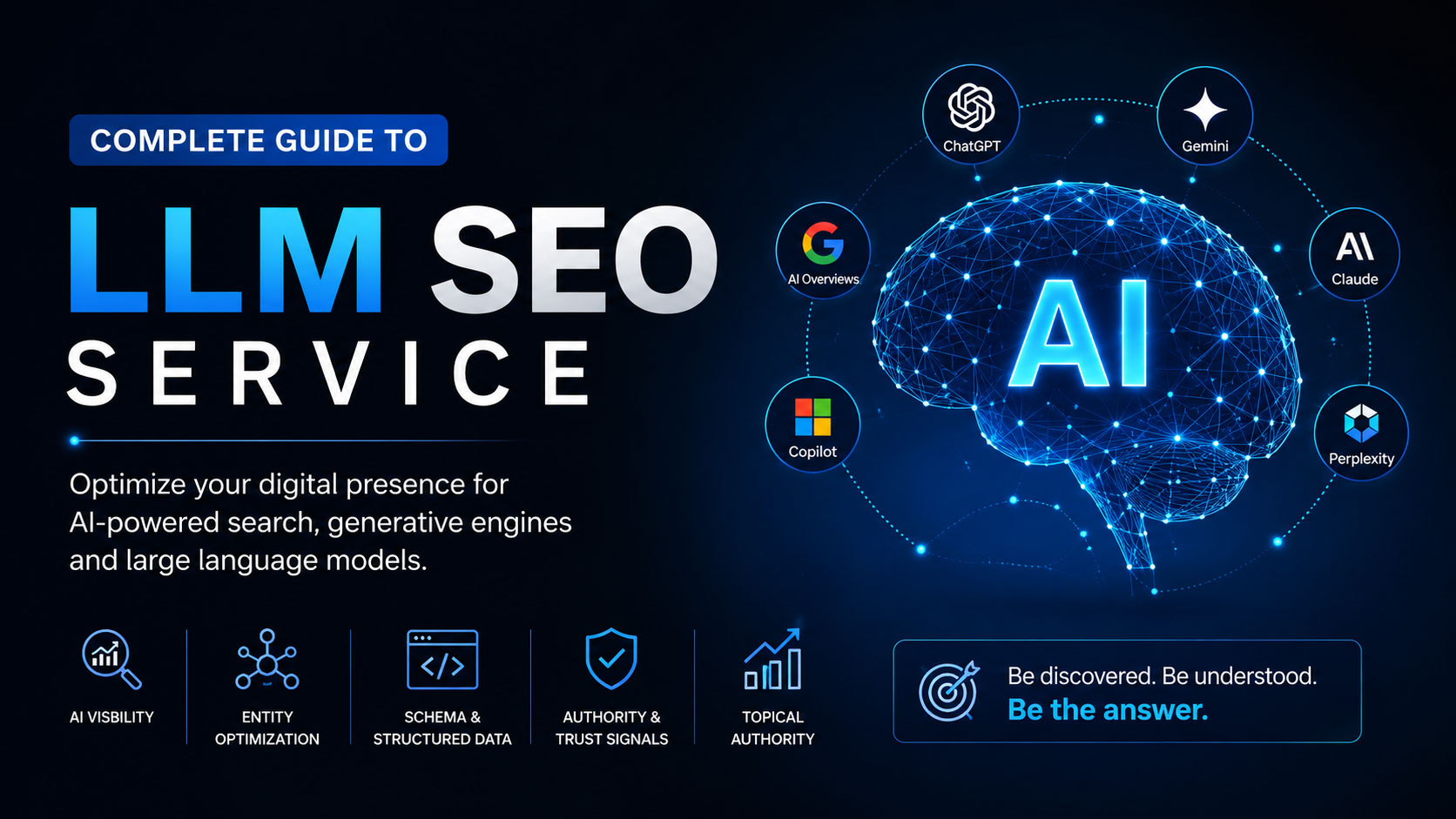
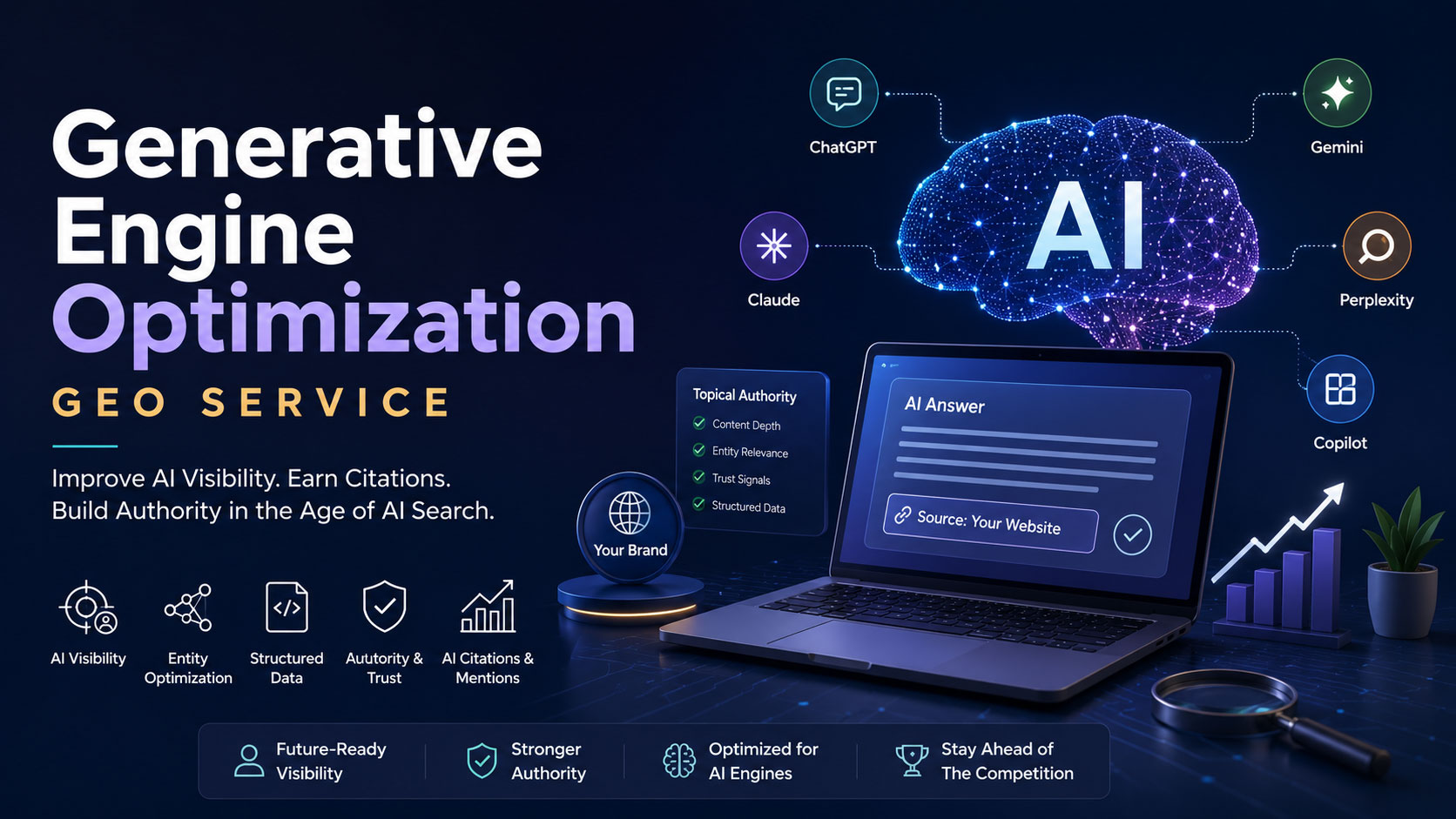
Generative Engine Optimization – GEO
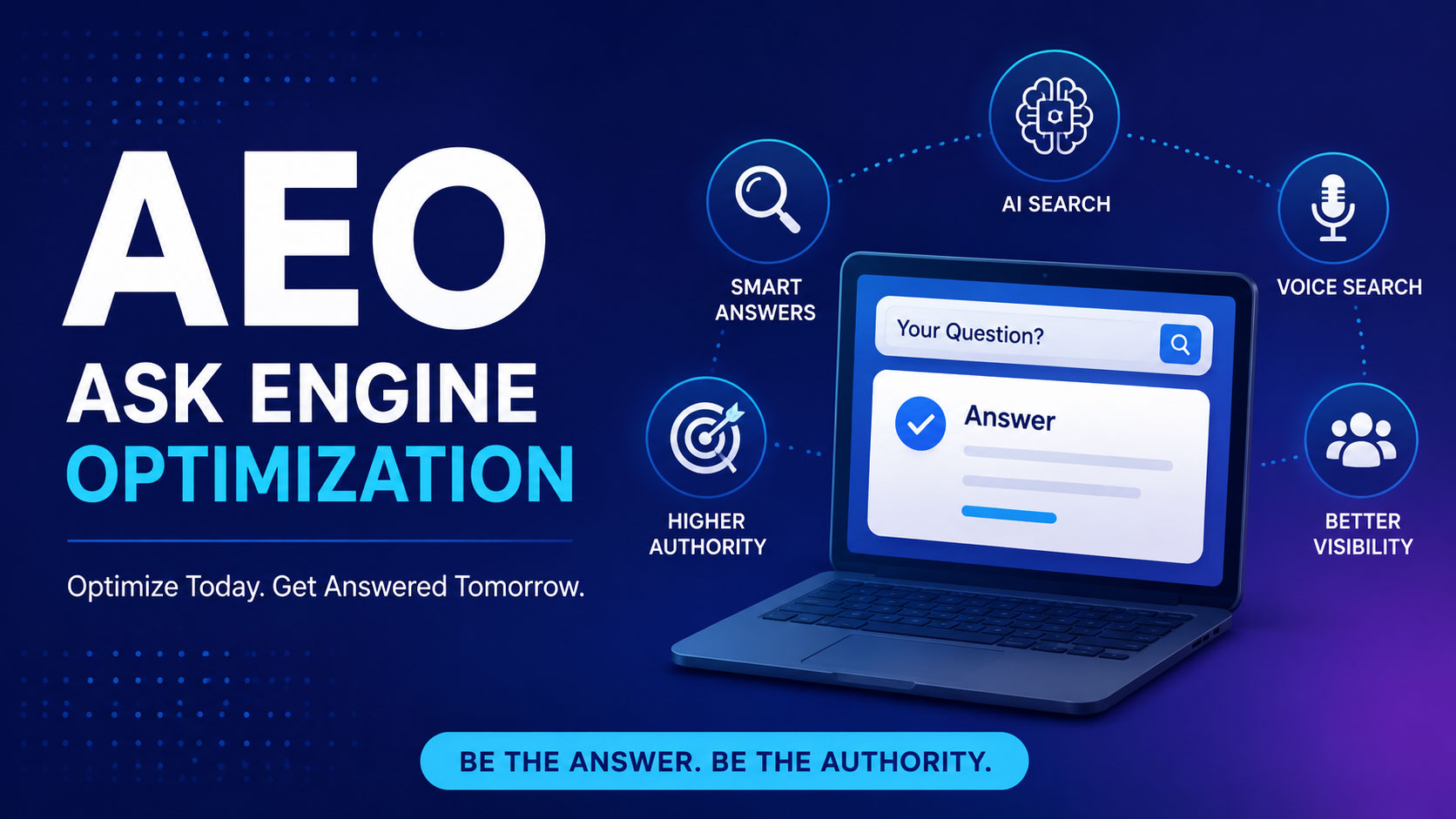
Ask Engine Optimization – AEO Services

“Focus on your Core Business & Leave the Technology on us”
Contact
- (+91) 980 3069 555
- (+91) 931 7729 555
- [email protected]
- SCO-282, GF, Sector-35D, Chandigarh (IN)
Copyright © 2006-2026 – Rich Internet Application